
Organic compounds are a subclass of chemical compounds of carbon. Little consensus exists among chemists on the exact definition of organic compound;[1] the only universally accepted definition is the quasi-tautological “organic compounds are the subject matter of organic chemistry”.
Generally, any large chemical compound containing a carbon–hydrogen or carbon–carbon bond is accepted as an organic compound. Thus alkanes (e.g. ethane, CH3−CH3) and their derivatives are typically considered organic. For historical and disciplinary reasons, small molecules containing carbon are generally not accepted: cyanide ion (CN−), hydrogen cyanide (HCN), chloroformic acid (ClCO2H), carbon dioxide (CO2), and carbonate ion (CO
2−
3
) may all be excluded.[1]
Due to carbon’s ability to catenate (form chains with other carbon atoms), millions of organic compounds are known.[1]
Although organic compounds make up only a small percentage of Earth’s crust, they are of central importance because all known life is based on organic compounds. Living things incorporate inorganic carbon compounds into organic compounds through a network of processes (the carbon cycle) that convert carbon dioxide and a hydrogen source like water into simple sugars and other organic molecules.
In the chemical industry, synthetic organic compounds are ultimately derived from petrochemicals, mainly hydrocarbons. Petrochemicals are themselves formed from the geologic degradation of biological matter at high pressures and temperatures underground.
Historically, organic compounds were defined as compounds originating in living things, an expression of early-modern scientific vitalism. As vitalism became increasingly untenable, organic chemistry broadened its scope to study all large molecules; at the time, all known large molecules contained carbon. Organic molecules discovered in biological contexts are now known as natural products. In the 20th century, chemists discovered new large molecular species amongst the metal complexes. Such objects are not admitted into general organic chemistry unless they also contain carbon; otherwise their study is a new and separate field, metalorganic chemistry.
In chemical nomenclature, an organyl group, frequently represented by the letter R, refers to any monovalent substituent whose open valence is on a carbon atom.
For historical reasons discussed below, a few types of carbon-containing compounds, such as carbides, carbonates (excluding carbonate esters), simple oxides of carbon (for example, CO and CO2) and cyanides are generally considered inorganic compounds. Different forms (allotropes) of pure carbon, such as diamond, graphite, fullerenes and carbon nanotubes[4] are also excluded because they are simple substances composed of a single element and so not generally considered chemical compounds. The word “organic” in this context does not mean “natural
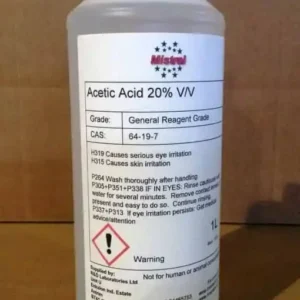
organic compounds
LIQUID CHEMICALS
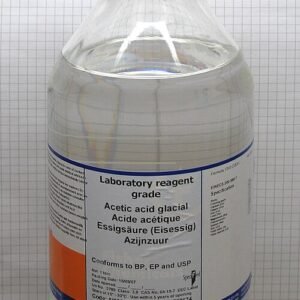
LIQUID CHEMICALS

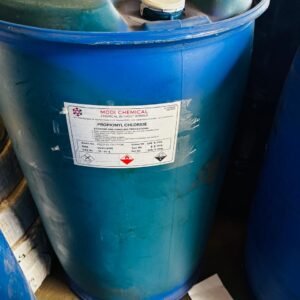
organic compounds
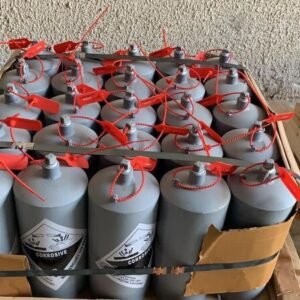
LIQUID CHEMICALS
organic compounds